Commercial & residential contractor serving areas of New York and New Jersey

Residential insulation

Residential spray foam insulation contractors serving New York & New Jersey.

Home insulation projects designed around comfort, air leakage, moisture, ventilation, and the way the complete enclosure needs to perform.

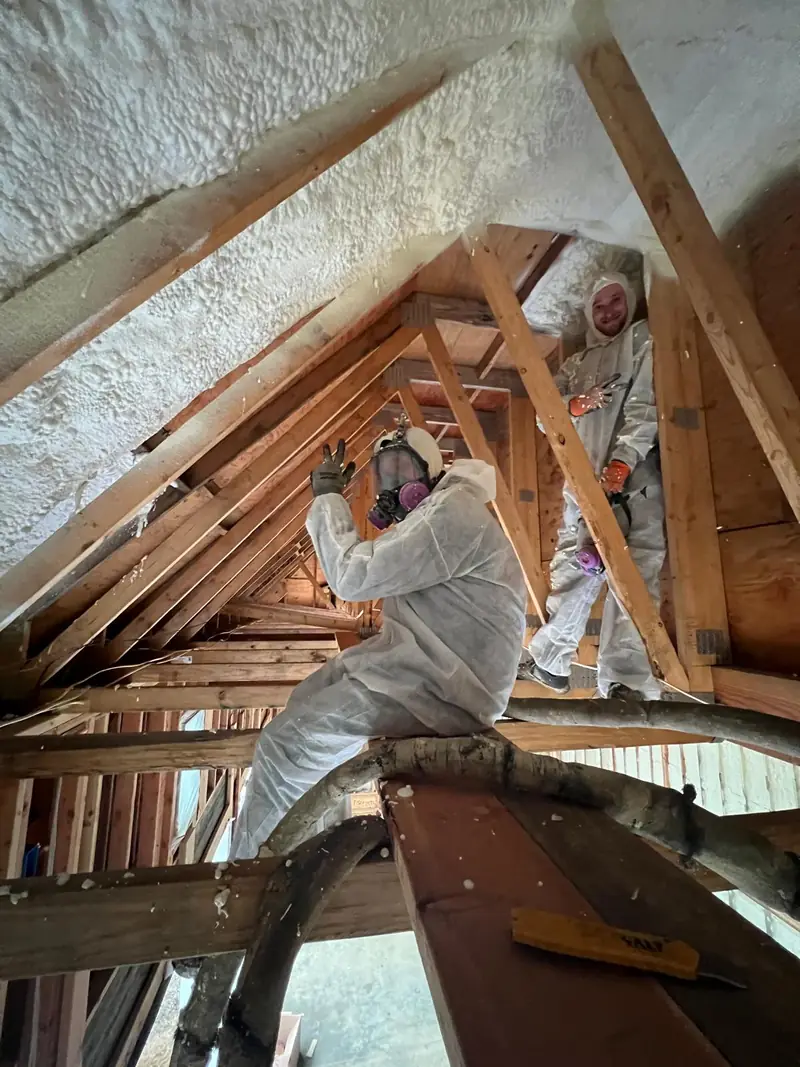
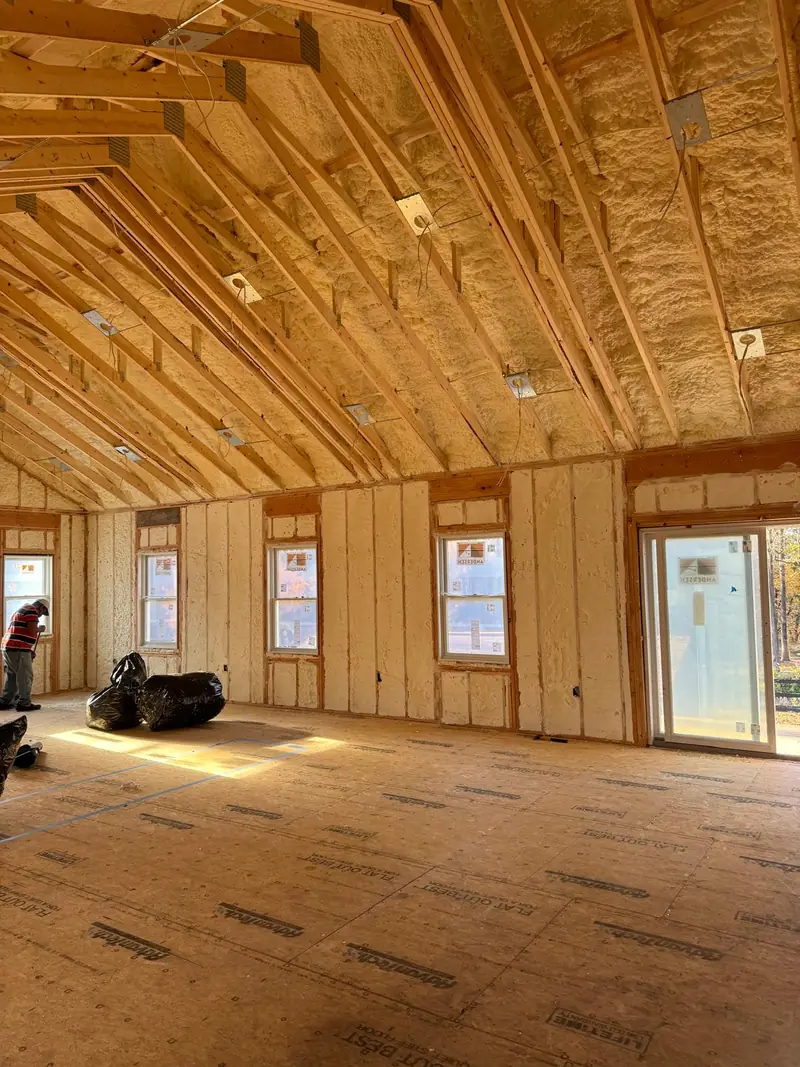
Finished spray foam insulation across residential walls and the sloped roofline

Five-star Google reviews

Trusted by property owners across New York and New Jersey.

Selected feedback from customers who worked with the Score Spray Foam team.

Tal and the team were professional, punctual, and extremely accommodating. Their pricing was very reasonable, and the quality of their work was top-notch.

Jay and his crew did a phenomenal job. Jay helped educate me on all of my options and gave his honest opinion.

Great price and the service is top notch, staff are very friendly.

The right starting point

A home-specific service, not a one-product prescription.

Residential spray foam can insulate and air-seal difficult assemblies, but the project must start with the house. Score reviews the existing boundary, moisture history, attic or crawl-space strategy, mechanical equipment, access, and the homeowner’s goals before recommending open-cell or closed-cell foam.

Planning your project

Compare home insulation proposals with confidence.

An estimate should connect your comfort concerns to specific areas of the home. Attics, walls and crawl spaces do not have identical preparation or installation requirements, even when the same material is being considered.

Define the application

Ask for the areas, product, intended thickness, preparation and required coverings. Make removals, repairs and finishing responsibilities explicit. The attic-floor and roof-deck options should not be treated as interchangeable line items.
Prepare an occupied home

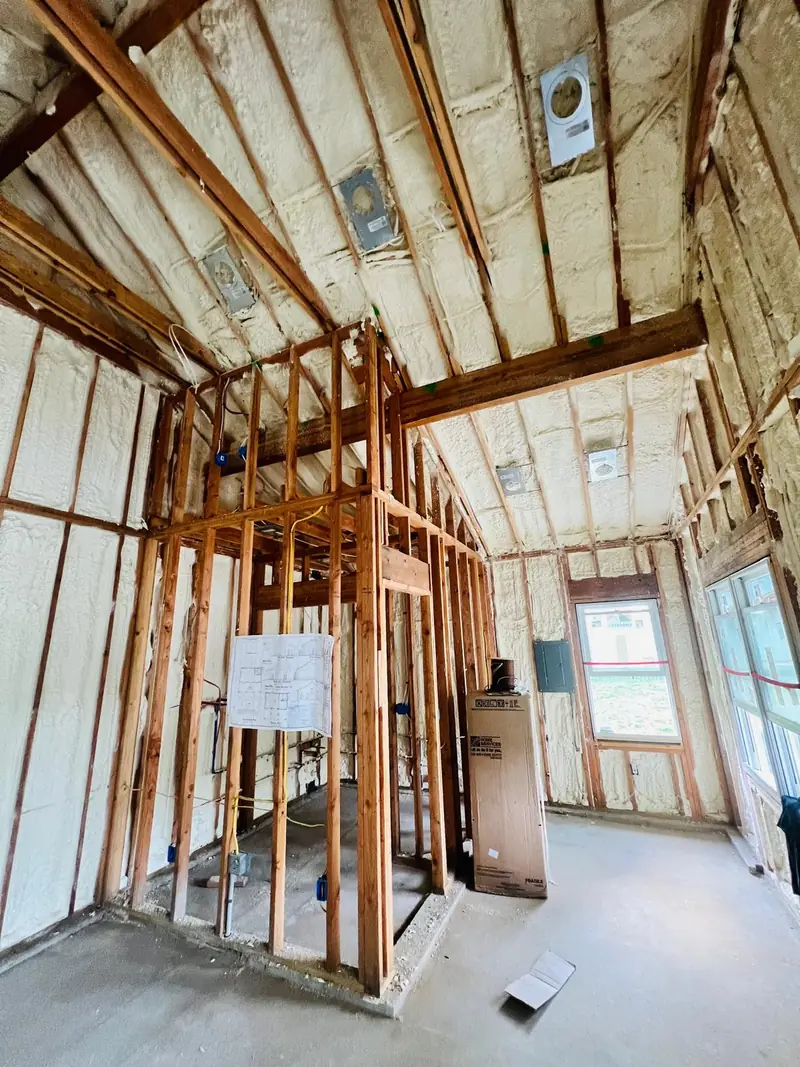
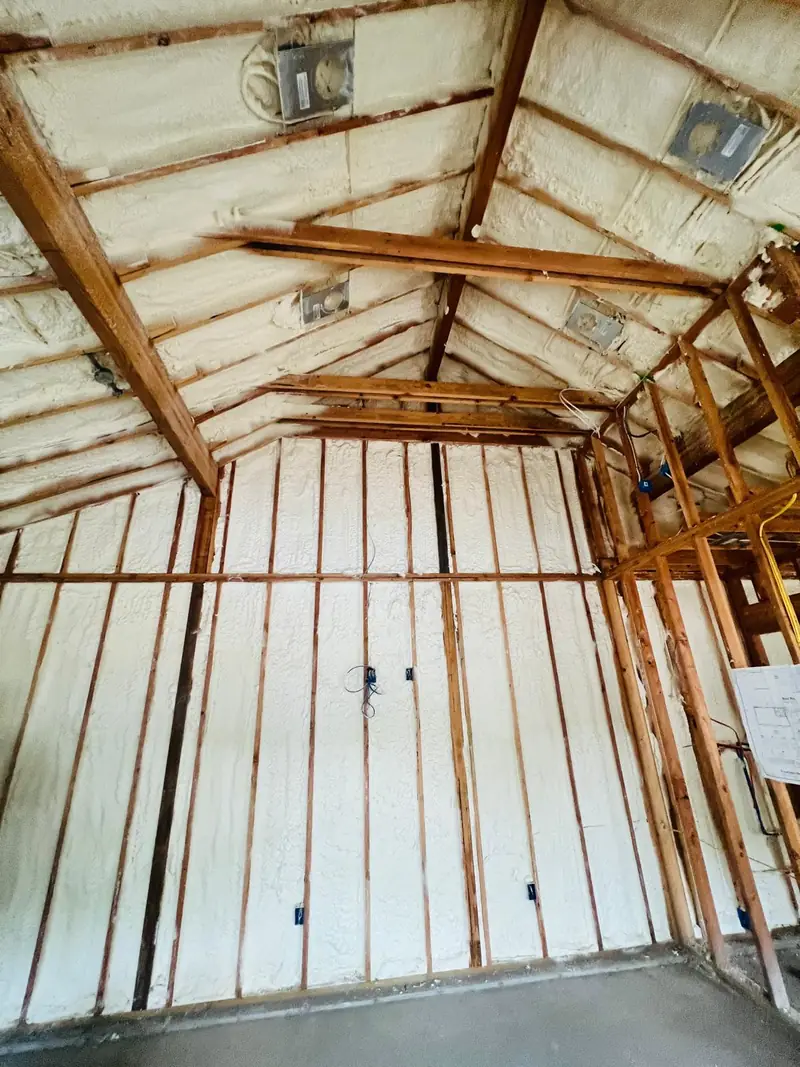
Discuss people, pets, belongings and access before scheduling. Confirm the project-specific isolation, ventilation and re-entry plan in writing. Coordinate other trades and any repairs that must happen before insulation.

Keep useful project records

Request the installed product information, agreed application areas and thickness, available installation photos and any remaining responsibilities. Check incentive approval requirements before committing to work rather than assuming that an insulation estimate establishes eligibility.

Residential applications

Choose the part of the home you need to improve.

Each assembly gets its own service pathway because attic, crawl-space, and wall projects involve different moisture, ventilation, access, and code decisions.

Attics and roof decks

Evaluate vented and unvented attic strategies, roof condition, air sealing, HVAC, moisture, and required protective coverings.

Explore attic insulation

Crawl spaces and rim areas

Address drainage, ground moisture, air leakage, framing, utilities, and the correct enclosure boundary before insulating.

Explore crawl-space insulation

Walls, additions, and renovations

Coordinate framing depth, sheathing, vapor behavior, penetrations, finishes, and open- or closed-cell product selection.

Explore spray foam insulation

What matters

Plan residential spray foam around the whole home.

01

Attics and roof decks

Evaluate vented versus unvented approaches, roof condition, HVAC, ventilation, and fire-protection requirements before moving the boundary.

02

Walls, additions, and renovations

Coordinate cavity depth, sheathing, vapor control, windows, exterior layers, wiring, and future finishes.

03

Crawl spaces and rim areas

Address water, drainage, ground moisture, utilities, combustion safety, and the correct enclosure boundary first.

The process

From first conversation to a defined scope.

  1. 01

    Assess the home

    Review the problem, construction, existing insulation, moisture signs, roof or foundation conditions, utilities, and occupied-space requirements.

  2. 02

    Define the assembly

    Choose the air and thermal boundary, suitable foam type, target thickness, preparation, ventilation, coverings, and related work.

  3. 03

    Install and document

    Protect the work area, follow the product-specific safety plan, install the defined scope, and review completed conditions.

Common questions

Answers before the next step.

Where can spray foam be used in a home?

Common applications include attics, roof decks, walls, rim joists, crawl spaces, basements, additions, and renovation areas. Suitability depends on the assembly and existing conditions.

Will spray foam fix drafts and cold rooms?

It can reduce air leakage and heat flow when installed continuously at the correct boundary. Windows, ducts, mechanical systems, and other enclosure defects may also contribute.

Can my family stay home during installation?

The project must follow the selected product’s site-isolation, ventilation, occupancy, and re-entry requirements. Confirm the written safety plan before work starts.

Ready to discuss the project?

Start with the building, roof, or surface in front of you.