
System and preparation
Identify the existing substrate, preparation or removal work, proposed foam and coating system, and intended application requirements. The scope should address roof edges, penetrations and other transitions.
Exterior SPF roofing systems
Explore the exterior spray polyurethane foam roofing system: an insulating foam layer, detailed transitions, and a compatible protective coating for suitable flat and low-slope roofs.
Five-star Google reviews
Selected feedback from customers who worked with the Score Spray Foam team.
“They went out of their way for anything I requested, very reliable, communication is a joy. No more leaks for this rooftop!”
“Great company great professional customer service.”
“Reliable, on time, and very professional.”
The right starting point
Spray polyurethane foam roofing creates a seamless, insulated roof surface protected by a compatible coating. Suitability depends on the existing roof, moisture conditions, drainage, substrate, details, and site controls.
Planning your project
Compare the whole exterior roof system, not the foam layer alone. Preparation, detailing and the protective coating belong in the same project conversation.
Identify the existing substrate, preparation or removal work, proposed foam and coating system, and intended application requirements. The scope should address roof edges, penetrations and other transitions.
Review rooftop equipment, adjacent areas, weather constraints and site protection. Confirm how preparation, application and coating work will be coordinated around the building’s operations.
Ask for product information, installation records, inspection guidance and any applicable written warranty. Future repairs and recoating should be compatible with the installed system; maintenance intervals depend on its condition and requirements.
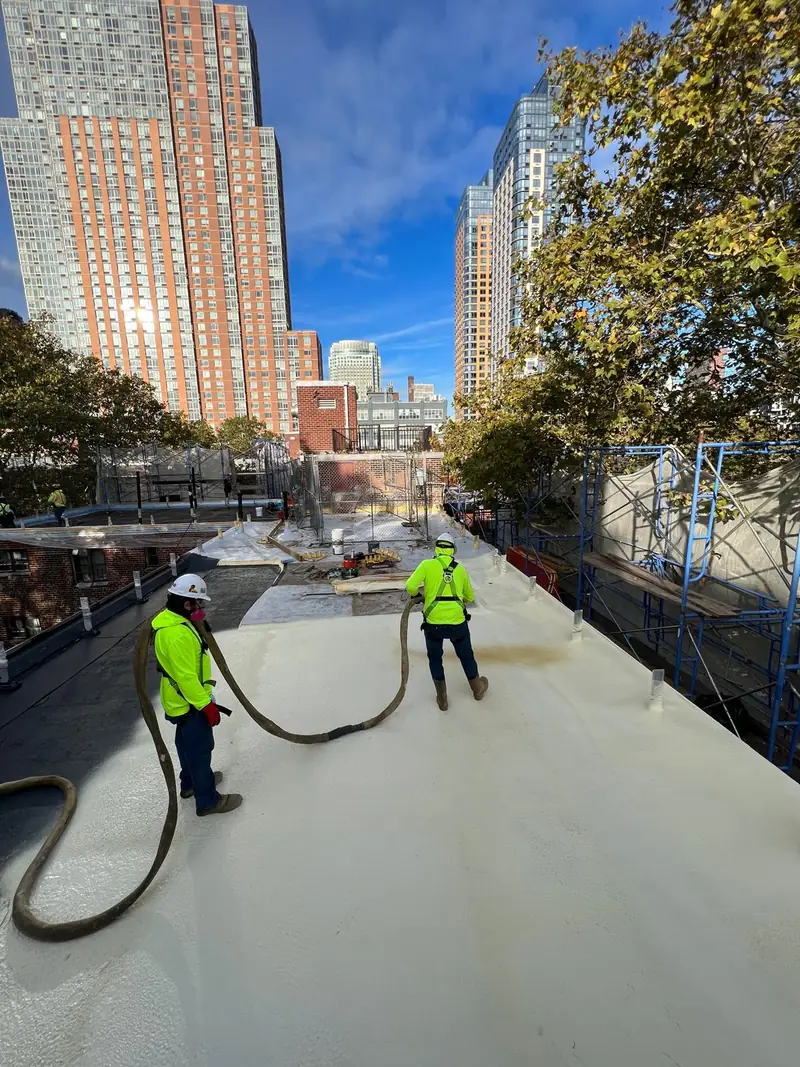
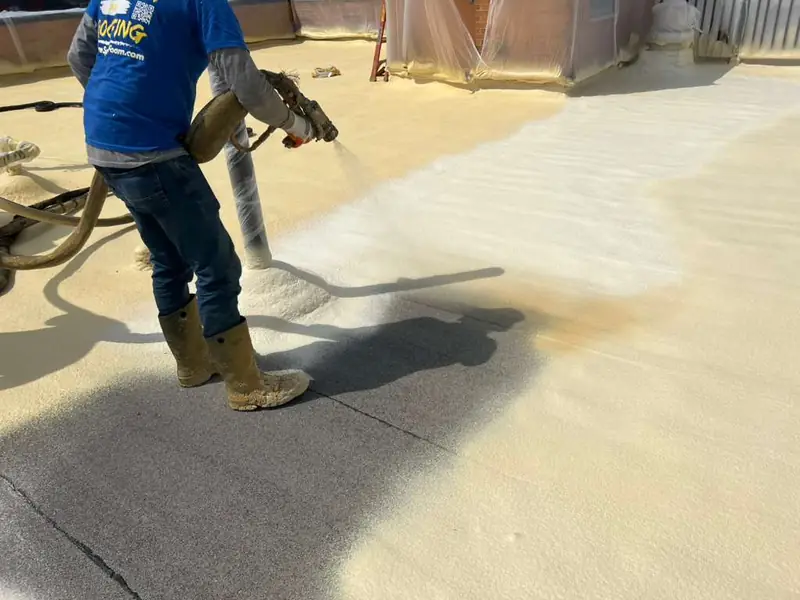
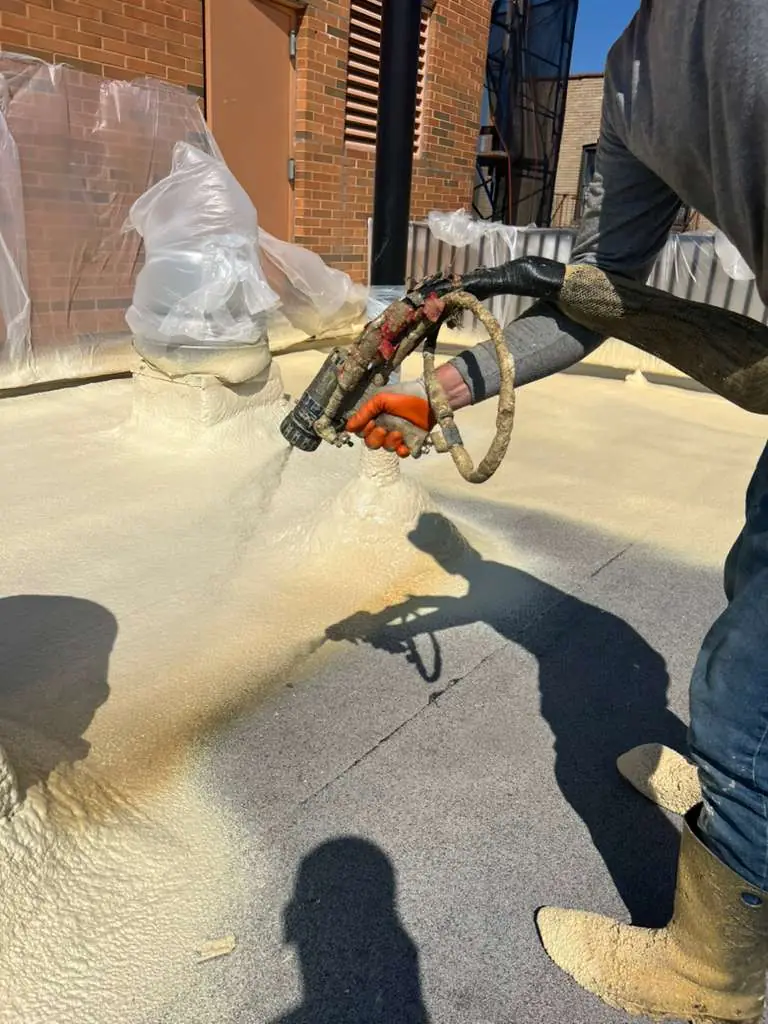
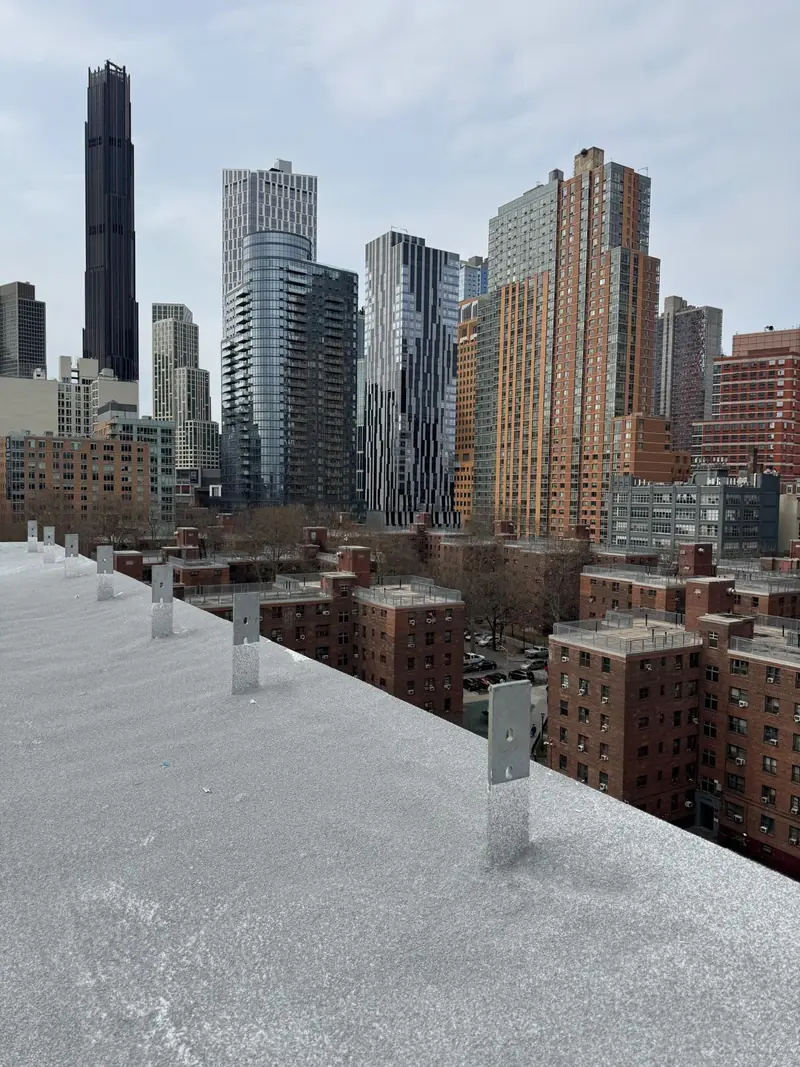
Roofing-grade spray polyurethane foam is applied to a properly prepared, suitable substrate. The foam layer provides insulation and forms the shape of the roofing surface; a compatible protective coating completes the exposed system. Edges, penetrations, and transitions need coordinated details. Interior insulation products and exposed, unprotected foam are not substitutes for a specified exterior roofing system.
A scope begins with roof suitability and any required investigation. Preparation can include cleaning, repairs, removal of unsuitable materials, and priming where specified. Application planning also considers weather, nearby property, rooftop equipment, and overspray protection. Foam and coating work must follow the selected system’s requirements, with drainage and transitions addressed as part of the assembly.
The coating protects the foam from exposure and needs ongoing attention. Inspections should identify surface damage, worn areas, affected details, and changes around equipment. Recoating is a condition-based decision, not a reason to cover over wet or damaged materials. Timing and preparation depend on the actual system and its condition.
Roof area is only one factor. Access, existing materials, preparation, specified foam and coating, penetrations, perimeter details, site protection, and any moisture-related work affect the scope. A project-specific assessment is needed before comparing proposals; a price per square foot alone does not show what is included or excluded.
If you are comparing repair, restoration, or a different approach to an aging commercial roof, start with the roof assessment rather than selecting SPF in advance. Our commercial flat roofing service helps establish whether this system is an appropriate option.
When an owner is planning Local Law 97-related improvements, coordinate roof insulation requirements with the building’s design professional. Our planning guide explains the contractor’s role, the limits of roofing alone and where to check potential funding.
SPF installation
A complete SPF roof is more than exposed foam. Substrate preparation, consistent application, penetrations, drainage details, and a compatible protective coating all matter.
What matters
Field-applied foam can create a monolithic surface across the roof and around many penetrations.
SPF adds thermal value while functioning as part of a protected roof system with an appropriate coating.
Substrate, moisture, adhesion, wind, overspray control, drainage, and details all affect whether SPF is appropriate.
The process
Review the roof history, substrate, moisture risk, details, drainage, and project constraints.
Define cleaning, repairs, masking, protection, priming, and edge/penetration work.
Apply the specified foam and protective coating, then document the completed scope.
Common questions
No. Compatibility, trapped moisture, structural concerns, poor substrate condition, and code requirements can rule out an overlay.
SPF roofing requires a compatible protective coating system and ongoing inspection and maintenance.
Often, yes, when the existing system is suitable. The roof must be inspected to identify damage, moisture, and preparation needs.
Ready to discuss the project?